

Study in Japan
The Japanese language school pathway
How Sri Lankan students start studying in Japan.
How the pathway works
Language schools teach Japanese and prepare you for life in Japan. Afterwards, students usually move on to a specialized training college (senmon gakkō), university or work.
- 1
Learn basic Japanese in Sri Lanka
- 2
Enrol in a Japanese language school
- 3
Build your Japanese in Japan (1–2 years)
- 4
Continue to further study or a career
Key facts about studying in Japan
Intakes
Many language schools accept students several times a year. April is the largest intake.
Course length
Language school courses generally last from one to two years.
Residence status
Students live in Japan with a 'Student' (Ryūgaku) residence status, granted through the COE and visa process.
Part-time work
With permission, students may work part-time within legal limits — generally up to 28 hours per week during term.
Rules change from time to time. Always check the latest information from the Immigration Services Agency of Japan and the Embassy of Japan in Sri Lanka.
Preparing as a student
- Start learning Japanese early — hiragana, katakana and basic grammar
- Keep your educational certificates and records organised
- Discuss your study plan and financial support with your family or sponsor
- Make sure your passport is valid
- Be ready to explain why you want to study in Japan
Learning Japanese
The Japanese-Language Proficiency Test (JLPT) is the most widely recognised Japanese test. It has five levels, from N5 (basic) to N1 (advanced).
- N5
- Basic Japanese: hiragana, katakana, simple kanji and everyday phrases.
- N4
- Basic Japanese used in daily life, at a slow pace.
- N3
- Everyday Japanese at a near-natural speed.
- N2
- Japanese used in a wide range of situations, including work.
- N1
- Advanced Japanese in a broad range of contexts.
The JFT-Basic test is another Japanese test you may already have taken. Tell us about any test results when you contact us.
Application guidance
Each school sets its own requirements and deadlines. We explain the school's process, help you prepare your documents and interview, and keep you informed until the COE and visa stage.
Student life in Japan
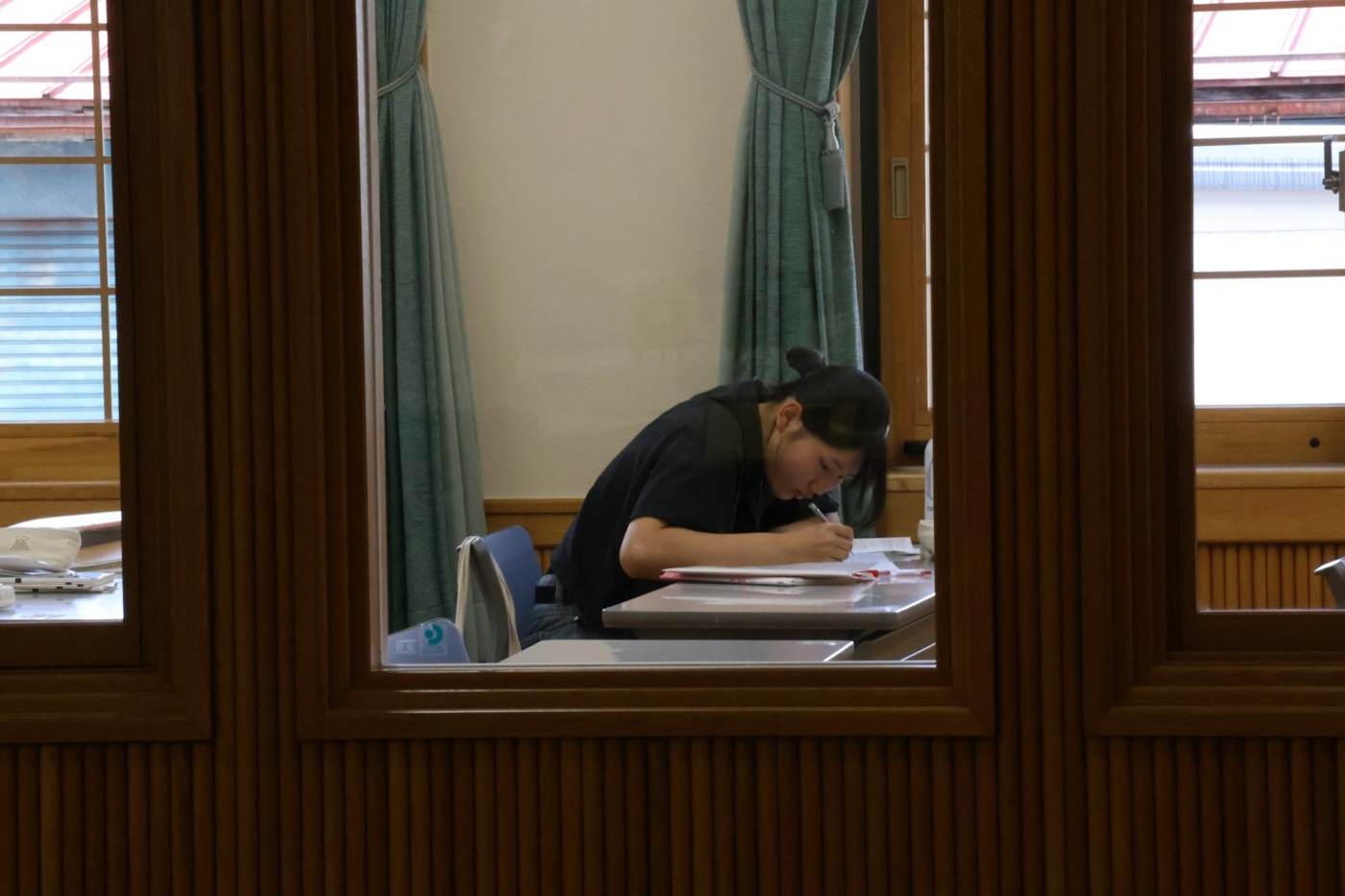
Daily study
Language classes usually run on weekdays, either in morning or afternoon sessions.
Accommodation
Many schools can introduce student dormitories or shared housing.

Community
Study alongside students from many countries and make friends across cultures.
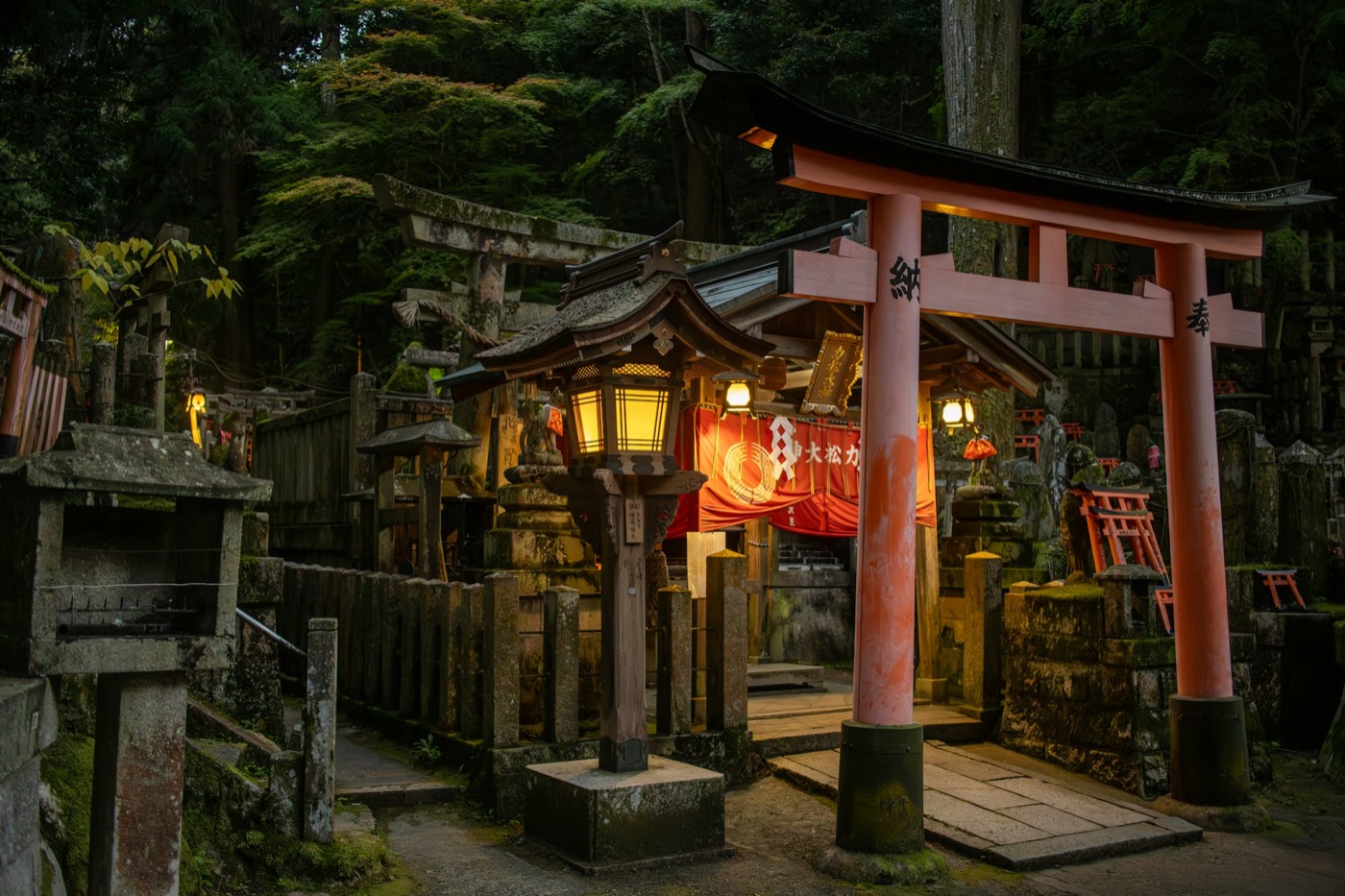
Seasons & culture
Enjoy cherry blossoms, summer festivals, autumn leaves and snowy winters.
Not sure where to start?
Message us on WhatsApp and we will suggest the right first step for you.